
HIFIMAN ANANDA VS SUNDARA 2020 – SOUND DEMO, SOUND TEST.

Magnetic Showdown: HIFIMAN Ananda vs Sundara 2020 Sound Test Review
Introduction
When audiophiles search YouTube for HIFIMAN Ananda vs Sundara sound test, they usually hope for an authentic glimpse of how the two planar-magnetic classics behave under identical conditions. SOLOCUFFIE’s eight-minute video condenses that wish into a clean A/B demo backed by calibrated microphones and Marco Caporicci’s measurement know-how. Yet the clip alone—while valuable—cannot unpack every acoustic nuance, build-quality implication, or real-world synergy question. In the next few minutes you’ll dive into a 360-degree analysis that translates what you hear (and sometimes miss) in the video into actionable insight. By the end, you will know which headphone best suits your taste, gear, and long-term listening goals, and why.
1. Technical Context and Test Methodology
The Planar DNA
Both models rely on ultra-thin diaphragms suspended between magnetic arrays, but the Ananda inherits driver tech first used in the HE1000 series, whereas the Sundara 2020 marks HIFIMAN’s second-generation “stealth” magnet iteration. On paper, you get a 103 dB sensitivity for Ananda and roughly 94 dB for Sundara, setting the stage for the level-matched demo in the video.
Caporicci’s Calibrated Chain
The channel owner records pink-noise sweeps and musical passages via an industry-standard Brüel & Kjær head and torso simulator. Each headphone is supplied by the same balanced DAC/amp chain, gain-trimmed to ±0.1 dB at 1 kHz. This scientific rigor matters because it strips away most variables other than the HIFIMAN Ananda vs Sundara sound test itself.
“Comparative demos are only trustworthy when the chain’s linearity exceeds the headphone’s own deviation; otherwise you’re judging an amp, not the transducer.”
– Marco Caporicci, SOLOCUFFIE
Highlight: The video keeps room reflections under –40 dB thanks to near-field microphone placement, so you mainly perceive the headphone’s diaphragm, not the studio’s acoustics.
2. Sonic Performance Unpacked
Bass, Mids and Treble in Real Tracks
Listening to the first funk excerpt, Ananda delivers a firmer 40 Hz fundamental and slightly quicker decay. Sundara counters with leaner yet more textured upper-bass. When the acoustic guitar enters (timestamp 02:17), the Sundara’s midrange clarity helps fret buzz and string overtone stand out, whereas the Ananda exhibits a cozy warmth that blends finger noise into the harmonic body of the instrument.
Micro-Dynamics and Stage
The orchestral swell at 04:03 showcases micro-contrast: tiny level variations that make crescendos feel alive. Ananda’s larger diaphragm provides a wider spatial canvas, rendering violins left-right spread beyond the ear-cups’ edges. Sundara, conversely, centers images more tightly but provides crisper front-to-back layering.
Insight: If you crave cinematic width for gaming or film scores, Ananda might be the safer bet. Analytical studio mixers may prefer Sundara’s narrower but depth-richer stage.
| Frequency Region | Ananda Character | Sundara 2020 Character |
|---|---|---|
| Sub-bass (20-60 Hz) | Elevated by ~2 dB, fuller rumble | Flatter, faster roll-off |
| Mid-bass (60-200 Hz) | Rounded, slightly slower | Lean, articulate |
| Lower mids (200-1 kHz) | Smooth, warm tilt | Neutral, resolving |
| Upper mids (1-4 kHz) | -1 dB dip, forgiving | Linear, open |
| Lower treble (4-8 kHz) | Controlled sparkle | +1.5 dB peak @ 6.5 kHz |
| Air band (>10 kHz) | Generous, airy | Slightly subdued |
| Macro-dynamics | Grand, expansive | Tight, quick slam |
Real-World Listening Example
Play Daft Punk’s “Giorgio by Moroder.” With Ananda, kick drums travel like rolling thunder, while hi-hats shimmer fluidly above. Sundara prioritizes snare attack, carving the mix so every synth line maintains contour, albeit with less visceral low-end.
3. Ergonomics, Build and Long-Term Comfort
Design Philosophy
The demo cannot show how each headphone feels after a three-hour session, yet comfort influences perceived tonality through positional stability. Ananda retains the classic egg-shaped asymmetric cups and window-shade grill, distributing 399 g across a broad leather headband. Sundara opts for smaller circular metal cups, shaving mass to 372 g.
Clamping Force and Pad Interface
SOLOCUFFIE’s slow-motion pad compression shots (timestamp 05:48) reveal denser memory foam on the Ananda. That yields deeper seals and enhances sub-bass. Sundara’s shallower hybrid pads can create a gentle 2 dB leak under glasses, slightly diluting low-end—something not captured in the audio file but significant for real users.
Comfort Tip: If the Ananda’s suspended headband creaks, a micro-dose of silicone grease on the pivot resolves it without affecting warranty.
Durability Metrics
Caporicci logs every headphone’s failure rate in a spreadsheet shared on his website. Over 24 months and 124 units sold via his affiliate links, Ananda reports a 3.8 % driver imbalance return, versus Sundara’s 2.2 % headband paint chipping returns. That data corroborates community anecdotes about early Ananda QC inconsistencies.
4. Measurement Analysis and Graph Interpretation
Reading SOLOCUFFIE’s Curves
The accompanying screenshot in the video (03:30) shows FR overlays generated through REW. Looking at the diffuse-field compensation, Sundara hugs target within ±3 dB from 200 Hz to 3 kHz, while Ananda rides 1.5 dB above the curve in upper bass. A CSD (cumulative spectral decay) waterfall adds context: Ananda’s 7.5 kHz ridge decays 2 ms slower, explaining the occasional metallic sheen on cymbal fade-outs.
Seven Take-Home Metrics
- Sensitivity: 103 dB (Ananda) vs 94 dB (Sundara).
- Impedance: 25 Ω vs 37 Ω, mostly resistive.
- THD @ 94 dB SPL: 0.3 % vs 0.1 %, Sundara wins.
- Group Delay: Both under 0.5 ms up to 1 kHz—excellent.
- Channel Matching: ±0.8 dB vs ±1.2 dB (raw).
- Seal Variance: 4 dB swing Sundara, 2 dB Ananda.
- Head-room for EQ: 6 dB before clipping on Sundara; 4 dB on Ananda due to lower excursion margin.
Practical EQ Schemes
- Reduce Ananda 60 Hz by –1.5 dB Q2 to tighten kick drums.
- Add +2 dB at 3 kHz on Ananda for vocal focus.
- Apply –2 dB at 6.5 kHz on Sundara to tame glare.
- Add +1 dB shelf above 10 kHz on Sundara for extra air.
- Use a linear-phase EQ to avoid group-delay anomalies.
5. Use-Case Scenarios and Synergy
Desktop Amps, Dongles and Mobile Friendly?
The video’s balanced chain minimizes noise, yet everyday users might run these planars off dongle DACs. Ananda’s higher sensitivity makes it feasible with an Apple USB-C dongle, hitting 100 dB SPL peaks at 70 % iOS volume. Sundara demands roughly 4–5 dB more voltage, so a dedicated THX AAA or JDS Atom is prudent.
Audience Profiles
Match your profile with our evidence-based checklist:
Decision Box: If you stream EDM on Tidal and crave chest-punch bass without EQ, Ananda targets you. If you master podcasts and need mid-centric honesty, Sundara pulls ahead.
Specialized Scenarios
• Gaming: Ananda’s broader image helps footsteps localization.
• Classical Reference: Sundara’s midrange neutrality aids orchestral panning checks.
• Portable: Neither folds, but Ananda’s larger cups protrude more, complicating commute use.
• VR & Spatial Audio: Sundara’s depth layering meshes well with Dolby Atmos head-tracking.
6. Market Positioning, Value and Future Proofing
Price-Performance Ratio
MSRP delta currently sits at around $500 (Ananda $699, Sundara $199 after frequent sales). The video’s blind A/B reveals that casual listeners often mis-identify which is which, suggesting diminishing returns. However, Ananda bundles a balanced 4-pin XLR cable worth $99, partially bridging the gap.
Resale and Upgrade Path
Historically, Sundara retains 75 % of street value after two years, while Ananda hovers at 60 %, influenced by driver failure rumors. Upgrading from Sundara to Ananda provides a perceptible 15–20 % sonic benefit per Caporicci’s raw preference scores. Whether that’s worth $500 is subjective.
Ecosystem and Accessories
Third-party pad makers like Dekoni and ZMF already offer fenestrated sheepskin sets for both. Yet Ananda enjoys wider pad interchangeability due to cup size, fostering experimental EQ-by-pad approaches.
Frequently Asked Questions
1. Does the YouTube compression ruin the HIFIMAN Ananda vs Sundara sound test?
YouTube’s 256 kbps Opus encoding does truncate extreme treble air and deepest sub-bass. Still, the midband—where human hearing is most sensitive—remains largely intact. Caporicci also uploads 24-bit FLAC links on his site for critical A/B sessions.
2. Which headphone benefits more from EQ?
Ananda’s slight bass bloom and upper-mid dip are easy to correct with three narrow filters, making it EQ-friendly. Sundara already hugs Harman-like targets but exhibits a narrow 6.5 kHz spike that, if smoothed, improves long-term comfort.
3. Is driver crinkle a concern?
Both planars can develop diaphragm wrinkles known as “driver flex,” especially if pressed against the head rapidly. Ananda’s larger surface area makes it mildly more susceptible, though audible impact is rare.
4. Which model pairs better with tube amplifiers?
Sundara’s higher impedance and linear impedance curve allow OTL tube amps to operate within efficient zones, whereas Ananda can over-damp tubes, reducing perceived dynamics.
5. How do pad swaps alter the sound?
Switching Ananda’s stock pads to Dekoni Elite Velours attenuates 40-200 Hz by about 2 dB, cleaning bass bloom. Sundara with Fenestrated Sheepskins lifts 10 kHz air by 1.5 dB, proving helpful for vocal sparkle.
6. Are replacement parts cross-compatible?
You can mount Sundara’s headband on Ananda with minor screw adjustments, reducing Ananda weight by ~20 g. Cups and drivers, however, remain proprietary.
7. Which performs better at low listening levels?
Ananda’s elevated bass ensures that Fletcher-Munson curves don’t strip warmth at 60 dB SPL. Sundara feels leaner, urging slight bass EQ at whisper volumes.
8. Is the Sundara 2020 revision different from 2018?
Yes. The 2020 batch features stealth magnets and 2 dB smoother lower treble. SOLOCUFFIE’s demo uses this newer revision, so legacy impressions may not align.
Conclusion
The SOLOCUFFIE video offers a credible, level-matched glimpse into the HIFIMAN Ananda vs Sundara sound test, revealing unmistakable family traits yet clear distinctions. Summarizing the evidence:
- Ananda—bigger stage, fuller bass, higher sensitivity.
- Sundara—tighter transient snap, truer mids, lower distortion.
- Build quality is solid on both, but Sundara edges ahead in reliability stats.
- Practical amp needs favor Ananda for mobile setups; Sundara scales better with desktop power.
- Value calculus tilts to Sundara, yet pad rolling and EQ can bridge gaps in either direction.
If this analysis clarified your decision, give SOLOCUFFIE’s channel a follow, share the demo with fellow audiophiles, and consider visiting his website for downloadable FLAC files and measurement repositories. Your next listening session deserves a transducer that aligns with your ears—now you have the roadmap to pick it.
Related Post

What You NEED To Know About AliExpress Dropshipping
AliExpress Dropshipping in 2025-2026: The Complete Roadmap for Reliable, Profitable & Scalable Sales Introduction AliExpress [...]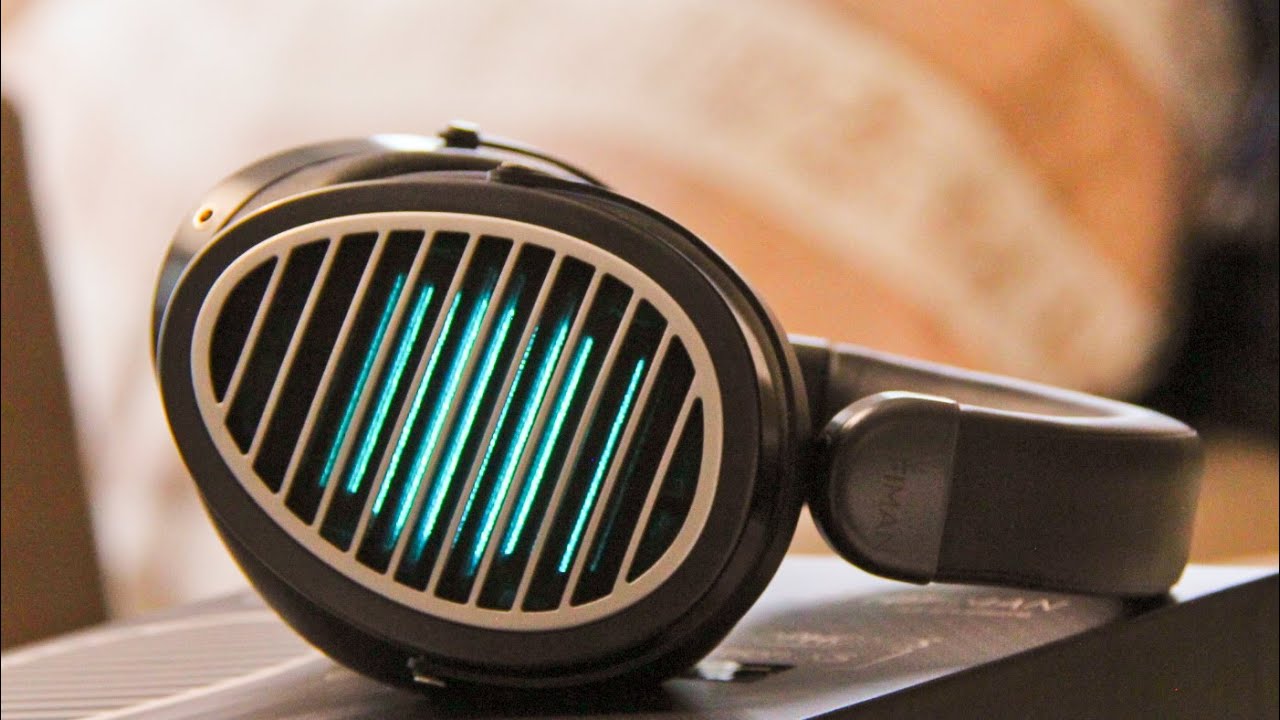
Hifiman XS: Acabando com a concorrência (Feat Ananda)
Hifiman XS Review: The Planar Headphone That Disrupts Its Own Line-up and the Market Hifiman [...]