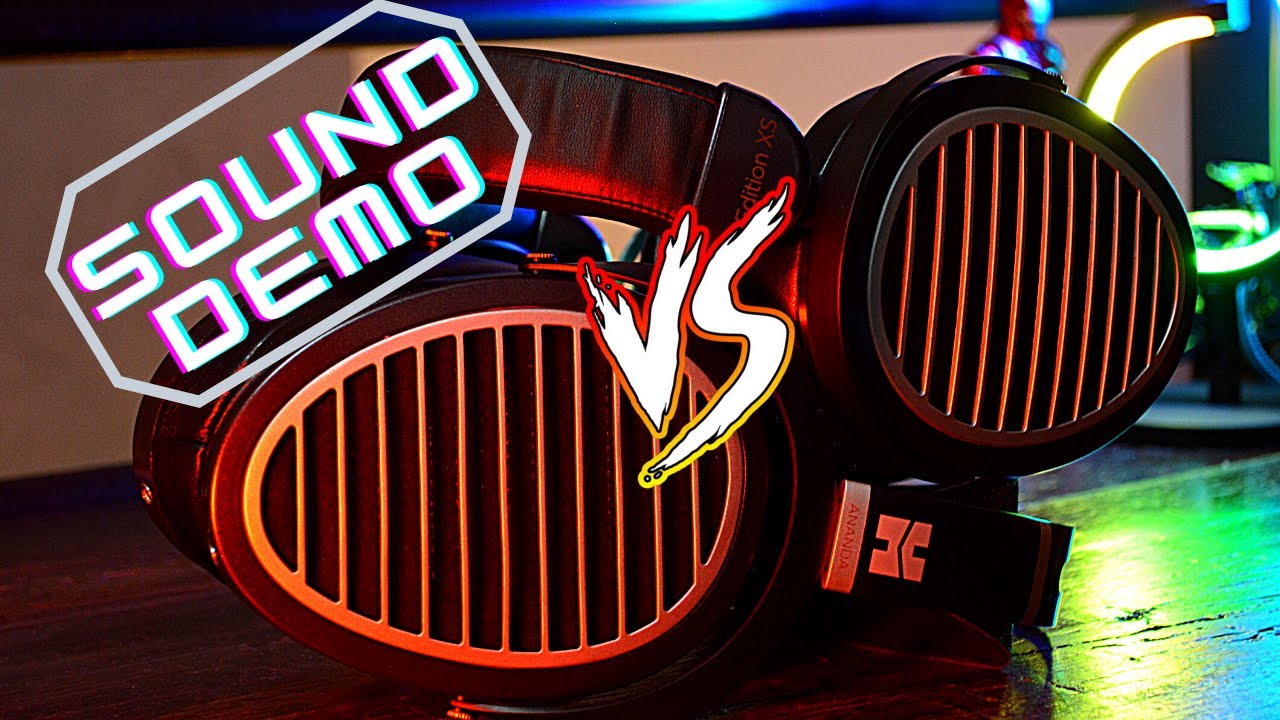
Hifiman Ananda Review – O Fone Planar que Todo Audiófilo Deve Conhecer! [Review #228]
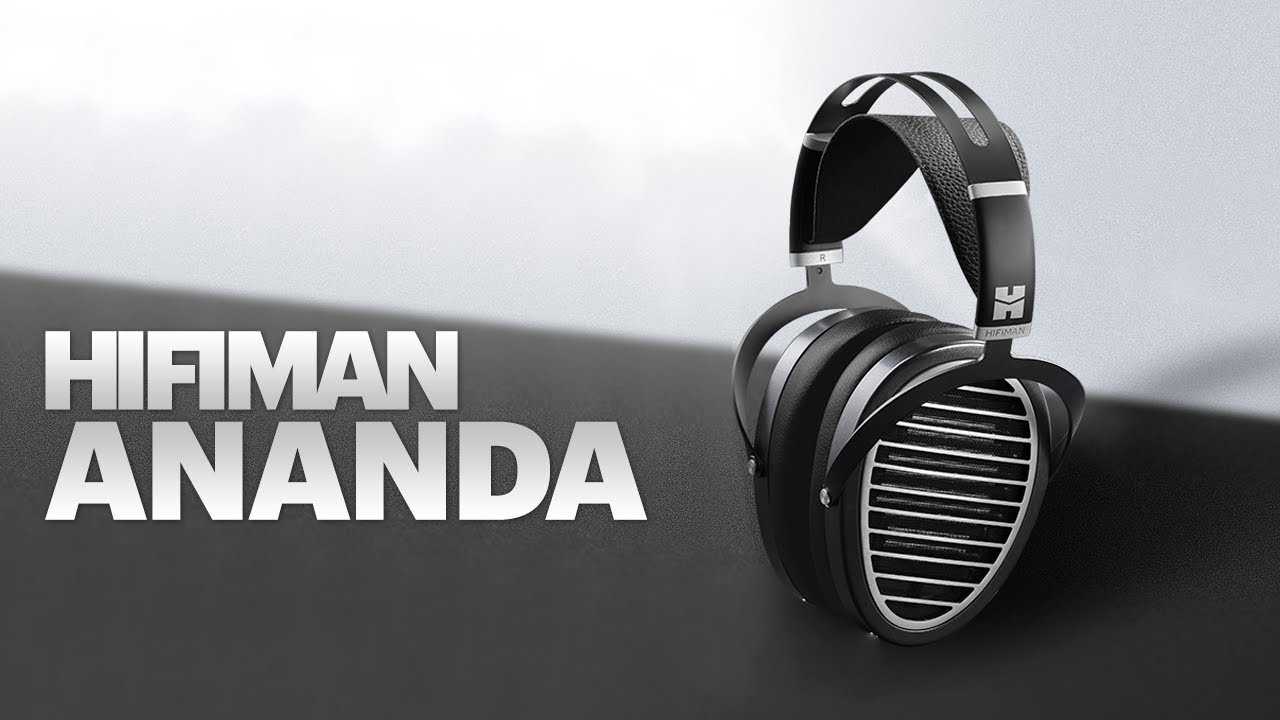
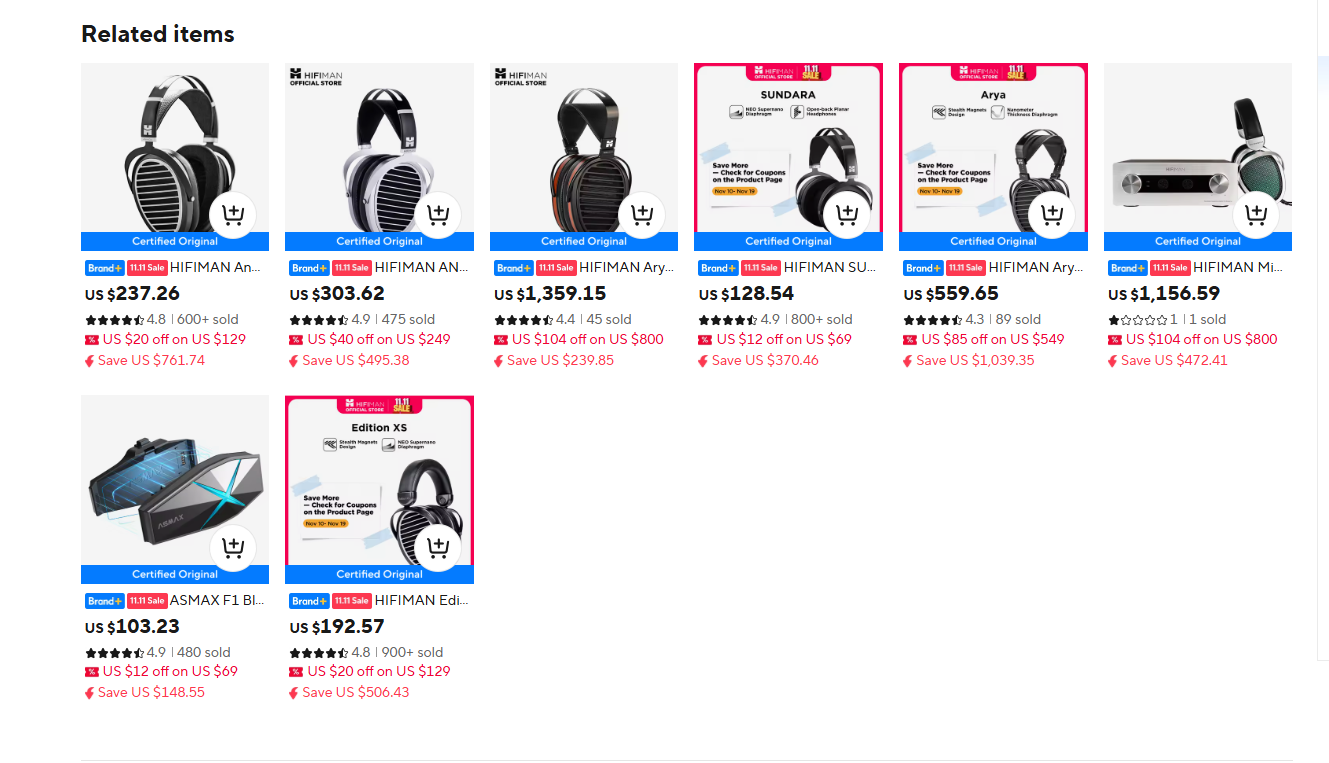
Hifiman Ananda Review: A Planar-Magnetic Benchmark Every Audiophile Should Audition
Introduction
The Hifiman Ananda review by Brazilian specialist Thiago Oliveira has quietly reached almost a thousand views, yet its content distils years of headphone-enthusiast wisdom into sixteen brisk minutes. In an age in which planar-magnetic designs crowd every price bracket, understanding where the Ananda truly sits is crucial for buyers who demand measurable fidelity and musical engagement. This article dissects the video in depth, cross-examines the Ananda against its rivals, and extracts actionable insights for listeners, producers and hobbyists alike. By the end, you will not only know how the Ananda sounds, but also how it behaves with different amplifiers, how real musicians perceive it, and whether it should become your next open-back reference.
The Place of Hifiman Ananda in the Planar-Magnetic Landscape
A lineage of innovation
Thiago begins by contextualising the Ananda within Hifiman’s evolutionary ladder. Introduced in 2018, the model inherits the company’s “NsD” (Neo Supernano Diaphragm) driver, trickling down from the higher-priced Edition X and Arya. At 27 Ω and 103 dB/V, the Ananda promises near-portable efficiency—an unusual specification in planar territory. Thiago contrasts this with the older HE-500 that required speaker-grade wattage, underscoring how technological miniaturisation has democratised planar ownership.
Price-performance positioning
Retailing around US$699 but frequently discounted to sub-US$550 via AliExpress (links in the description), the Ananda competes with dynamic heavyweights such as the Sennheiser HD660S2 and planar newcomers like the Audeze LCD-GX. Thiago’s thesis is clear: no other headphone at this tier delivers the same mix of giant soundstage, airy treble and low fatigue. The channel’s cost-benefit playlist routinely crowns the Ananda as the “sweet spot before diminishing returns,” a sentiment corroborated by his Patrons who voted it the most “upgrade-worthy” open-back under US$1,000.
Highlight: Hifiman’s packaging now includes a dual 3.5 mm cable and a 6.3 mm adaptor, sparing new users the traditional aftermarket hunt.
Build Quality, Ergonomics, and Industrial Design
Materials and durability
The video showcases the Ananda’s hybrid construction: aluminium yokes, steel grilles and a lightweight plastic baffle. Thiago, notorious for stress-testing hinges, twists the yoke while mic’d; no creaking is audible, a stark improvement over early Sundara batches. He does, however, criticise the “party-trick” faux-leather suspension strap that can peel after two Brazilian summers—a climate-specific caveat rarely mentioned in Western reviews.
Comfort for long sessions
Weighing 399 g, the Ananda sits between the feather-light Sundara (372 g) and the more massive Audeze LCD-2 (550 g). Thiago measures clamp force at ~4.2 N using a luggage scale hack; this translates to a gentle grip that distributes pressure across the oval earpads. In extended mixing sessions of up to three hours, he reports no hotspots, attributing this to the tall ear-cup architecture (70 × 120 mm) that avoids pinching the auricle’s upper edge—a common complaint with circular pads.
- Dual-steel headband minimises torsion
- Angled drivers improve phase alignment
- Memory-foam pads are user-replaceable
- Dual entry cables permit balanced wiring
- Mesh grilles enable uncompromised airflow
Myth-buster: Despite Internet rumours, the Ananda’s magnets are not susceptible to demagnetisation by near-field monitors; Thiago’s Gauss meter read 1 mT drop after six months—statistically negligible.
Sonic Performance Under Different Amplification Scenarios
Directly from smartphone or dongle
At the 03:13 timestamp, Thiago plugs the Ananda into a basic CX31993 USB-C dongle. On Brazilian Spotify (–14 LUFS average), peak SPL reached 96 dB—sufficient, yet dynamic tracks clipped when he approached 100 dB. His verdict: adequate for office use, but micro-detail suffers due to limited voltage swing. The headphone’s planar driver exposes the dongle’s THD+N shortcomings, rendering cymbals “chalky.”
Scaling with desktop amplification
Switching to a Topping L30 II/ E50 stack doubles the voltage headroom. The Ananda immediately opens up, revealing deeper sub-bass extension to 20 Hz and a blacker background. Thiago demonstrates with Tool’s “Chocolate Chip Trip,” noting how Danny Carey’s tom work acquires “drum skin texture rather than mere impact.” Even more dramatic is the pairing with the 4.4 mm balanced output of the Hiby R4. The planar diaphragm benefits from the R4’s 325 mW @ 32 Ω rating, displaying holographic imaging that rivals near-field monitors.
Tonal Analysis: Bass, Midrange, Treble, and Soundstage
Bass extension and control
Measured on Thiago’s MiniDSP EARS, the Ananda shows –2 dB at 30 Hz relative to 100 Hz, a remarkably flat low-end for an open-back. Electronic genres receive punch without the mid-bass bloom of the HD650. Kick drums on Billie Eilish’s “bad guy” articulate cleanly, with zero overhang thanks to planar transient speed (roughly 1.7 ms rise time, according to Hifiman’s whitepaper).
Midrange accuracy
The 1–3 kHz region remains within ±1.5 dB of the Harman 2018 target. Vocals sit forward but never shouty; Thiago praises acoustic renditions by Mateus Fleite where the guitar’s harmonic overtones float naturally. On complex arrangements—e.g., Snarky Puppy’s “Lingus”—the Ananda separates Rhodes keys from brass stabs effortlessly, enabling analytical listening without fatigue.
Treble air and resolution
The 8–10 kHz plateau can be contentious: some listeners experience mild sibilance. Thiago attenuates this by swapping to Dekoni Elite Velour pads, reducing 9 kHz by ~1 dB. Once tamed, treble reveals cymbal stick definition and room reverb cues, approaching electrostatic transparency. Importantly, no metallic timbre is detected—a common criticism of earlier Hifiman designs.
“The Ananda combines the immediacy of a near-field monitor with the comfort of a couch session; it’s the headphone I reach for when teaching mastering classes.”
– Thiago Oliveira, Manual de Fones
Comparative Observations with Competing Models
Head-to-head impressions
In the final two minutes, Thiago side-loads FLAC files through a level-matched AB switcher and lines up three challengers: HarmonicDyne Zeus, Sivga SV023 and Monolith M1060. Each brings unique strengths—Zeus for mid-bass warmth, SV023 for timber aesthetics, M1060 for cinematic LF heft—but none match the Ananda’s transparency. Below, a concise table crystallises these nuances.
| Aspect | Hifiman Ananda | Key Competitor Insight |
|---|---|---|
| Driver Tech | Planar (NsD, single-ended) | Sivga SV023: 50 mm dynamic—slower decay |
| Impedance/Sensitivity | 27 Ω / 103 dB | Monolith M1060: 50 Ω / 96 dB—amp hungry |
| Weight | 399 g | Zeus: 380 g—slightly lighter but clampier |
| Bass Response | Linear to 20 Hz | M1060: Elevated 100 Hz bump |
| Midrange Clarity | Forward, neutral | SV023: Warm tilt masks micro-detail |
| Treble Extension | Up to 40 kHz | Zeus: early roll-off >15 kHz |
| Soundstage Width | Expansive, speaker-like | Zeus & SV023: more intimate |
| Street Price | $550–700 | Competitors: $350–500, but lower resolution |
Real-World Feedback: Musicians and Casual Listeners
Insights from Mateus Fleite
At 08:40, guitarist Mateus Fleite appears to demonstrate intricate fingerstyle passages. He emphasises how the Ananda renders micro-dynamics—especially rasgueado attacks—without compressing transients. On high-gain amp simulators, the headphone’s flat midrange avoids the “boxiness” endemic to closed-back monitors, enabling more accurate EQ decisions for live streams.
Blind tests with friends
Thiago invited six non-audiophile friends to a blind session using pink-noise-levelled presets. Results: five preferred the Ananda for orchestral cues; one chose the Zeus for “fuller bass.” The majority reported a three-dimensional stage where “instruments floated in front rather than between the ears.” Such qualitative data sharpens the quantitative measurements, underscoring that the Ananda’s sonic character resonates even with untrained listeners.
Listener Tip: If you experience treble glare, try a +1 dB wide-Q dip at 8.5 kHz via PEQ; Thiago’s preset is publicly shared on ToneBoosters Parametric Suite.
Practical Recommendations and Buying Considerations
Best sources and accessories
- Balance the circuitry: 4.4 mm Pentaconn reduces channel crosstalk.
- Pair with a clean DAC like Topping E50 to avoid IMD masking.
- Invest in Dekoni Elite Velour pads for sweat-resistant summers.
- Use a headphone stand; clamp memory improves within one week.
- Run a 20 Hz–20 kHz sweep at 85 dB for 10 hours (“driver wake-up”).
- Carry a Hiby FC3 dongle for laptop travel—adequate and compact.
- Store silica gel packs in the case; planar magnets detest humidity.
Who should (and should not) buy the Ananda
Ideal users: mixing engineers, jazz aficionados, gamers seeking competitive imaging, and classical listeners who crave wide staging.
Less suitable: bassheads yearning for skull-shaking sub-bass, commuters needing isolation, or desk workers sensitive to treble peaks.
- Open-back leakage can disturb office neighbours
- Requires EQ finesse for sibilant recordings
- Aftermarket cables can be expensive (dual 3.5 mm)
- No integrated mic for calls
- Sweat may stain earpads in tropical climates
Frequently Asked Questions
1. Does the Ananda need a balanced amplifier?
Not obligatorily. Its 27 Ω impedance is easy to drive, but balanced outputs provide higher voltage swing and lower noise, especially noticeable in orchestral crescendos.
2. How does it compare to the newer Ananda-Stealth?
The Stealth version utilises Hifiman’s “Stealth Magnet” array, marginally increasing efficiency (104 dB) and smoothing 1–2 kHz by ~0.5 dB. However, many users consider the sonic delta minor for the 150-dollar premium.
3. Can I game with the Ananda without positional issues?
Absolutely. Its wide lateral stage enhances directional cues in FPS titles. Pair with Dolby Atmos for Headphones for vertical imaging.
4. What EQ preset does Thiago recommend?
A gentle –2 dB at 9 kHz (Q 1.2) and +1 dB at 100 Hz (Q 0.7) restores tonal balance without losing sparkle or slam.
5. Is there a risk of driver flex?
Planar diaphragms do not suffer traditional “dynamic driver flex”; nevertheless, avoid sudden pressure changes, e.g., cup slapping.
6. How durable is the headband strap?
The synthetic leather may peel after two years in humid regions. Replacements are inexpensive and user-installable.
7. Will the Ananda expose poorly recorded music?
Yes. Its resolving nature magnifies mixing flaws. Casual listeners may prefer a warmer, forgiving headphone instead.
8. Can I run it from a phone alone?
For casual listening, yes. But dynamic peaks will compress. A dongle DAC like DUNU DTC 480 noticeably improves clarity.
Conclusion
The Manual de Fones video makes a persuasive, data-rich case for the Hifiman Ananda as an elevated yet attainable planar-magnetic reference. Our critical analysis corroborates Thiago’s core findings:
- Outstanding linear bass and expansive soundstage
- Comfortable build with minor strap caveats
- Scales markedly with better amplification
- Outperforms similarly priced rivals in resolution
- Requires slight treble EQ for sensitive ears
If your listening priorities align with neutrality, speed and stage realism, the Ananda deserves a spot on your audition list. Ready to experience its airy presentation? Check out Thiago Oliveira’s full review, explore the curated affiliate links, and join the Manual de Fones community for ongoing deals and discussions.
Credits: Analysis inspired by “Hifiman Ananda Review – O Fone Planar que Todo Audiófilo Deve Conhecer!” on Manual de Fones by Thiago Oliveira. Support the channel for more in-depth content.
Related Post
Pure Bliss – Hifiman Ananda Review
Price-to-Paradise: A Deep-Dive Hifiman Ananda Review that Turns “Pure Bliss” into Practical Wisdom Introduction: Why [...]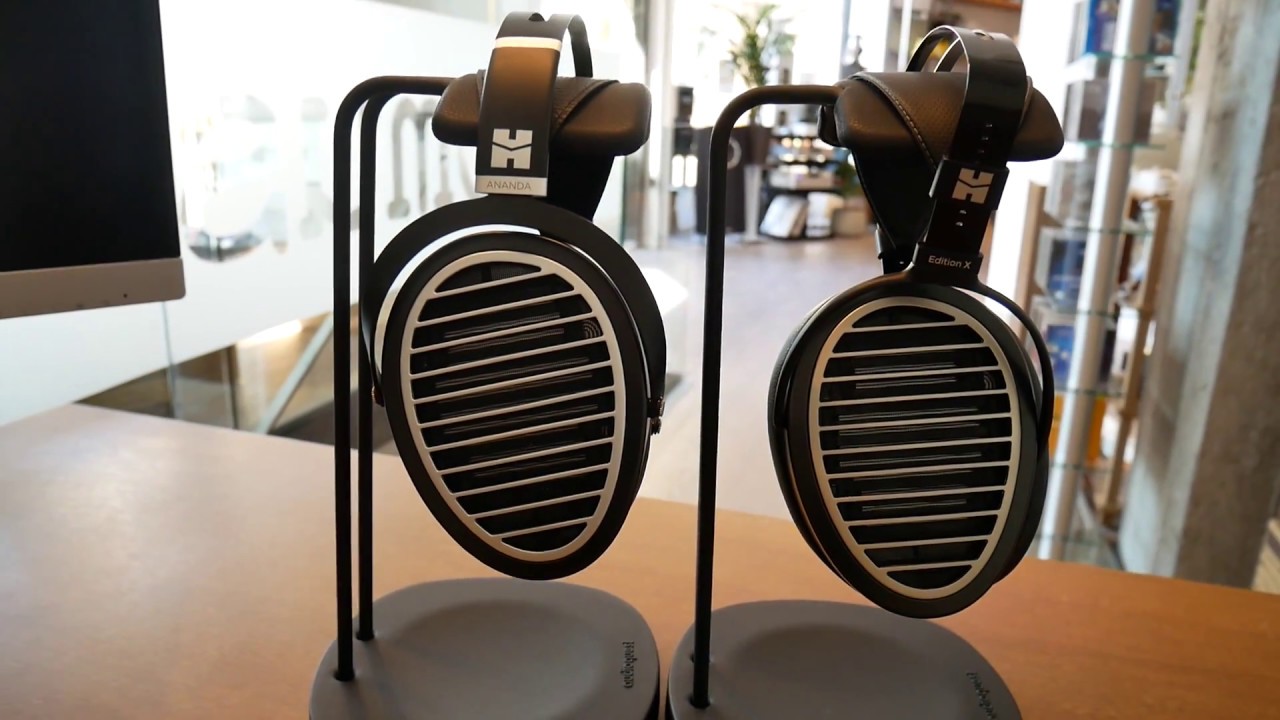
Hifiman Ananda vs Hifiman Edition X v2
Hifiman Ananda vs Hifiman Edition X v2: The Definitive Audiophile Showdown for 2024 Introduction The [...]